Insight
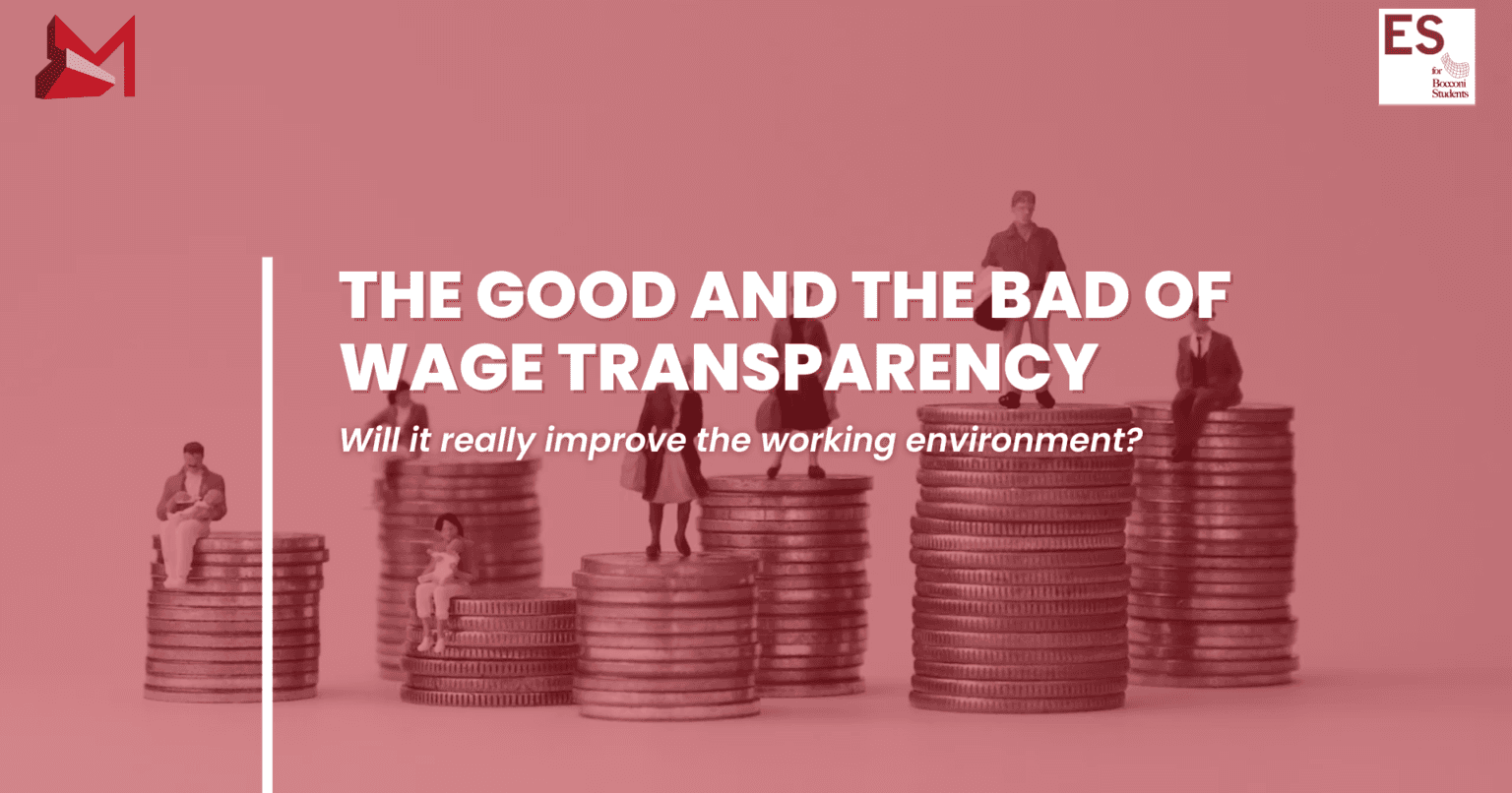
The Good and the Bad of Wage Transparency
Upended by the Covid-19 pandemic and its massive layoffs, then revitalised by the strong economic recovery and new labour market dynamics, wage transparency is reshaping how companies attract and retain talent.
About This Article
Wage Transparency: Pros and Cons
Upended by the Covid-19 pandemic and its massive layoffs, then revitalised by the strong economic recovery and new labour market dynamics, the job market has undergone structural changes over the past three years. But is wage transparency truly delivering only positive effects? In this article, produced with the Economic Society for Bocconi Students (ESBS), we review the academic literature on the topic.
We analyse evidence that both supports and challenges this apparently intuitive result — examining the complex interplay between transparency, equity, incentives, and organisational behaviour.
Key Insights
The Case For and Against
01
The Case For Transparency
Studies show wage transparency reduces gender and demographic pay gaps, improves employee trust, reduces voluntary turnover, and helps organisations identify and correct systemic inequities.
02
Unintended Consequences
Transparency can trigger wage compression, reduce motivation for high performers, lead to gaming of performance metrics, and paradoxically increase perceptions of unfairness in some contexts.
03
Post-Pandemic Labour Market
The great resignation, hybrid work proliferation, and skills shortages have amplified the strategic importance of pay transparency as a tool for talent attraction, retention, and employer branding.
Download the Full Article
Explore more publications, research, and insights from JEME Bocconi Studenti.
Ready to turn
ambition into action?
Tell us about your request and we'll put together a proposal tailored to your needs.